Understanding our shopper’s product evaluation journey & the effectiveness of our product detail
With focus on increasing conversion to support customer acquisition costs - Product & Design set out to conduct a foundational study to gather insights and produce a framework to inform our upcoming cycle(s).
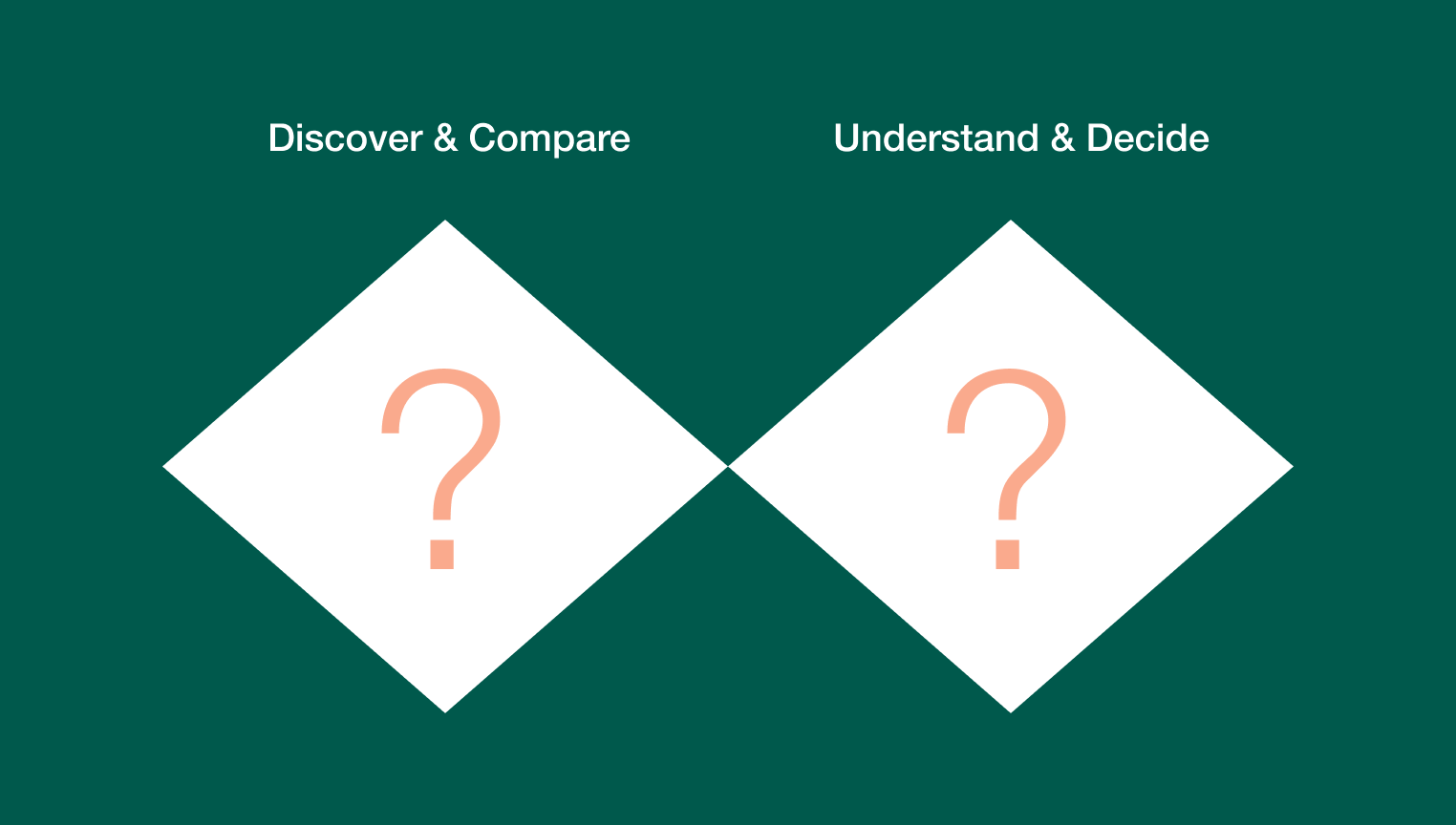
High level framework
Role: Product Designer
Work: UX Research
Timeframe: 1.5 months
Company: Brosa
Our Objective
The goal of this study was to observe shoppers in mid-funnel tasks and understand how our product detail page performs relative to customer needs.
What tasks (mental, physical) do shoppers perform?
What information and experiences are most helpful?
Key Deliverables
Insights - Accessible key information to drive product to design.
Framework - Foundational study of shopper tasks online.
Research Report - A digestible summary of findings and outputs shared across organisation.
Process Overview
Analysing Data & Research Planning
Explain:
Data and planning
What we wanted to understand
Why we’re doing research
Finding the right Participants
Explain:
Why and how you recruited participants
Image of type of participants i.e age range, gender
Conducting Interviews
Explain:
What the interview consisted of
Synthesising Data
Each participant shared insight into their process and demonstrated how they filter through a list of products. We observed their core interactions, learnt what information is meaningful and witnessed each of their shopping journeys.
We gathered 13 insights that helped us craft our Shopper Task Framework v1.


Using the Insights to inform our Shopper Task Framework v1
At the highest level participants went through two activities - Discover & Compare and Understand & Decide. On their journey to find the right piece they go through a series of tasks and navigate mental questions such as “Do I love it?”, “Will it work for me?”. Shoppers displayed two distinct systems of thinking during their exploration of the product detail page, fast and slow.

Shopper Task Framework v1
Outcomes/Next Steps
Informing upcoming cycles -
Advocating for User Research -
Developing a common language - We want to use this framework as a tool to align cross-functional teams with a language to communicate future efforts. Example: Product and Marketing can collectively use the framework to inform content and banners integrated into specific modules for testing i.e focus efforts in Consideration and optimise content for quick thought consumption.
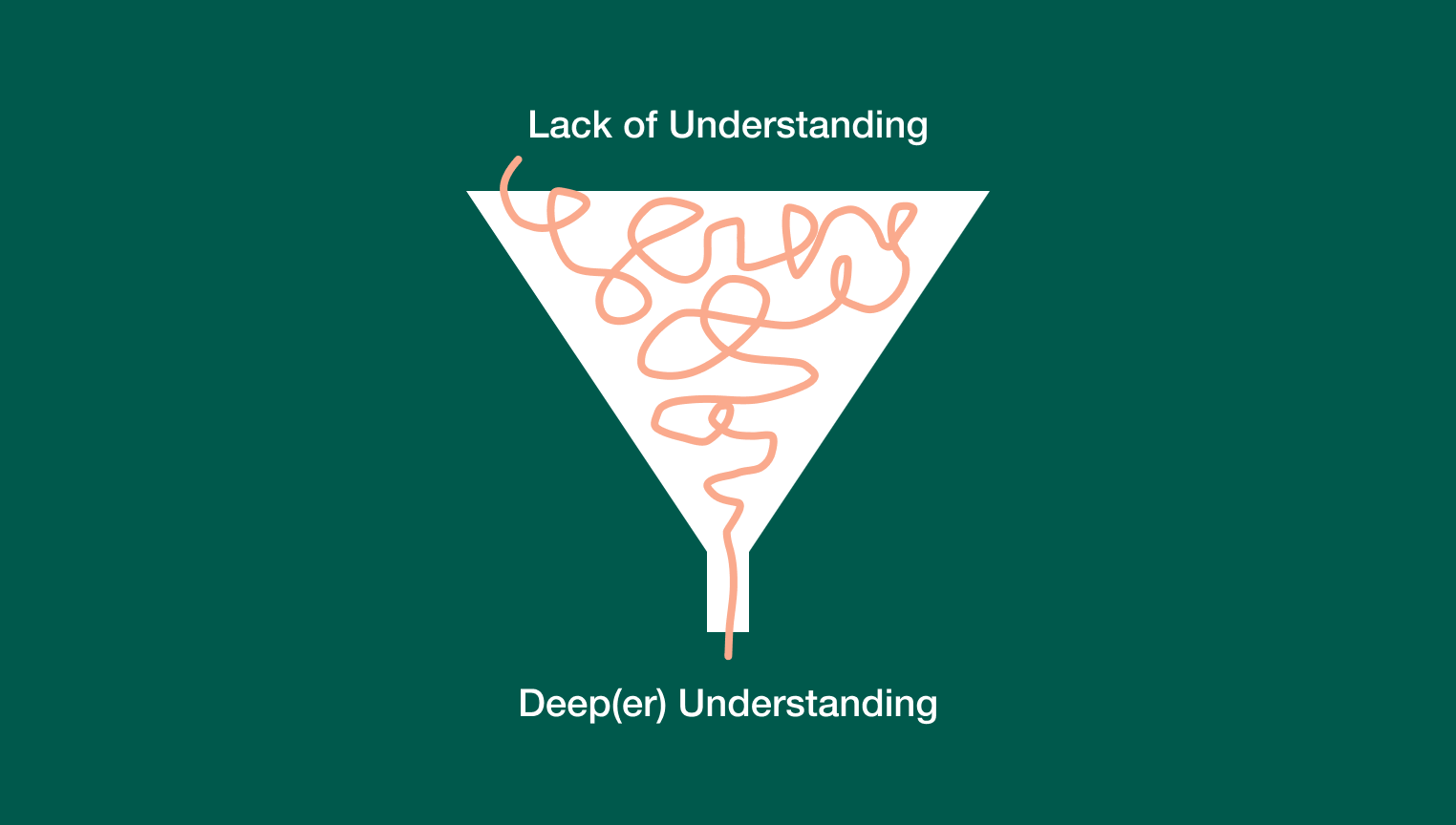
Concept Credit: Daniel Coleman - https://uxdesign.cc/staying-problem-focused-the-design-funnel-2e4d49a9edcd
Retrospective
Craft digestible reports - Ensuring insights were succinct and to the point was important. The deck needed to read well for all levels of understanding and digestible for time sensitive individuals.
Less guessing, more knowing - People expressed a strong appreciation for research. The concept of “designing the right thing” resonated with individuals and opened the conversation for participation in future initiatives.